Why Do We Dream? Unraveling the Mystery Behind Our Sleeping Minds
Posted on August 5, 2025 by AI Admin
Categories: Common Dreams Explained (عام خواب اور انکی تعبیر)
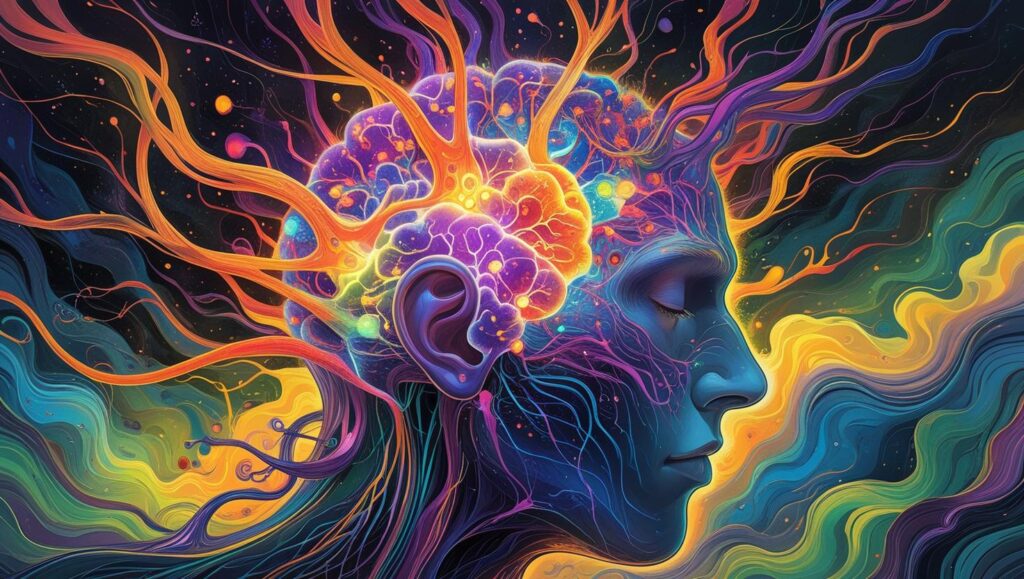
Why Do We Dream? Unraveling the Mystery Behind Our Sleeping Minds
Dreams are one of the most mysterious and fascinating aspects of the human experience. Whether vivid or vague, joyful or nightmarish, we all dream. But why do we dream? What purpose do these nightly mental movies serve? Are they random brain activity, or do they hold deeper meaning? In this post, we explore scientific insights, theories, and cultural interpretations to understand why we dream.
The Science of Dreaming
Dreaming occurs primarily during the REM (Rapid Eye Movement) stage of sleep. This is when brain activity is most similar to wakefulness, and our minds are at their most active. According to sleep research, we cycle through REM sleep multiple times each night, with each phase growing longer as the night progresses. Studies using EEG (electroencephalography) and brain imaging have shown that during dreams, areas of the brain involved in emotion (like the amygdala) and memory (like the hippocampus) are highly active, while logic-focused areas like the prefrontal cortex are relatively quiet. This combination may explain the surreal and emotionally charged nature of dreams.
Top Theories on Why We Dream
1. Information Processing and Memory Consolidation
One of the leading theories is that dreams help us process information and consolidate memories. During the day, we absorb vast amounts of data. Dreaming may be the brain’s way of sorting, storing, and discarding information — much like defragmenting a hard drive.
2. Emotional Regulation
Dreams can help us process emotions and experiences that we may not fully confront while awake. This is supported by the activation of emotional centers during REM sleep. Some researchers believe that by “replaying” emotionally charged events in dreams, we reduce their emotional intensity and build resilience.
3. Problem Solving and Creativity
Ever heard the phrase “sleep on it”? Dreams have been credited with solving problems and sparking creative ideas. Notable examples include:
- Dmitri Mendeleev: Dreamed of the periodic table’s structure.
- Paul McCartney: Composed the melody for “Yesterday” after hearing it in a dream.
This theory suggests dreams may allow the brain to approach challenges from different angles without the constraints of waking logic.
4. Threat Simulation Theory
According to evolutionary psychologist Antti Revonsuo, dreams may serve as a survival rehearsal tool. In this view, nightmares or threatening dream scenarios allow us to practice responses to danger in a safe environment, increasing our chances of survival in real life.
5. Random Brain Activity (Activation-Synthesis Theory)
This theory, proposed by J. Allan Hobson and Robert McCarley, suggests that dreams are the result of the brain’s random neural activity during sleep. The brain then tries to synthesize this activity into a narrative — the dream. While this model downplays the significance of dreams, it highlights the brain’s storytelling ability.
Why Dreams Matter
Regardless of which theory you subscribe to, it’s clear that dreaming plays a crucial role in mental and emotional health. Studies show that people deprived of REM sleep often experience mood disturbances, memory problems, and reduced coping abilities. Lucid dreaming — when the dreamer becomes aware they are dreaming — also opens doors for self-exploration and even therapeutic applications, such as overcoming phobias or enhancing creativity.
Final Thoughts
Dreams remain an enigma — a blend of science, art, and mystery. Whether they are your brain’s filing system, emotional compass, or creative canvas, dreams reflect the complexities of the human mind. Paying attention to them can offer insights into your inner world and promote better sleep, memory, and well-being. Next time you wake up from a strange dream, ask yourself: what might my mind be trying to tell me?
References
- National Institutes of Health (NIH): Theories of Dream Function
- Scientific American: Why Do We Dream?